The Cairns Tropical Enterprise Centre Sets a New Benchmark For The Region
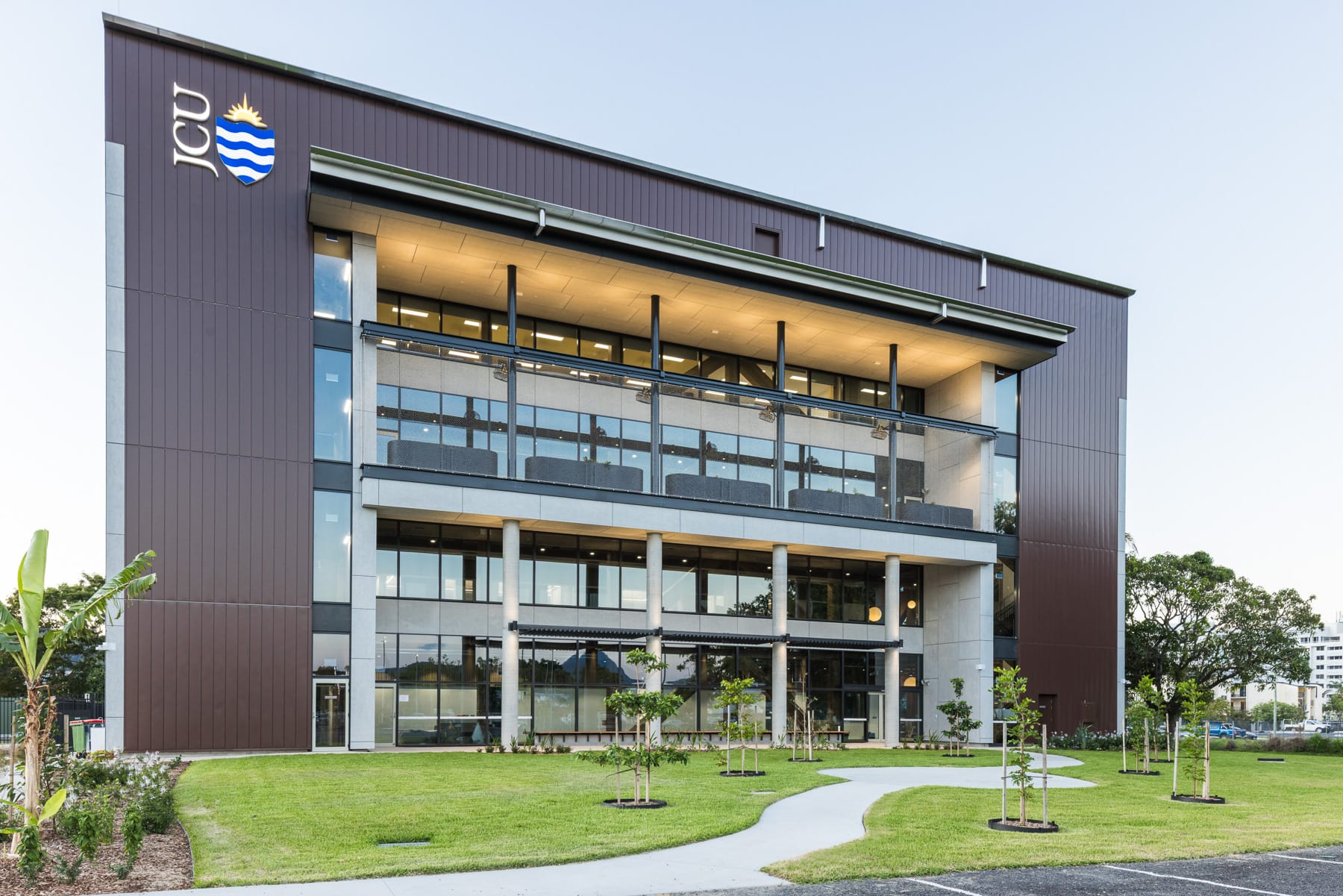
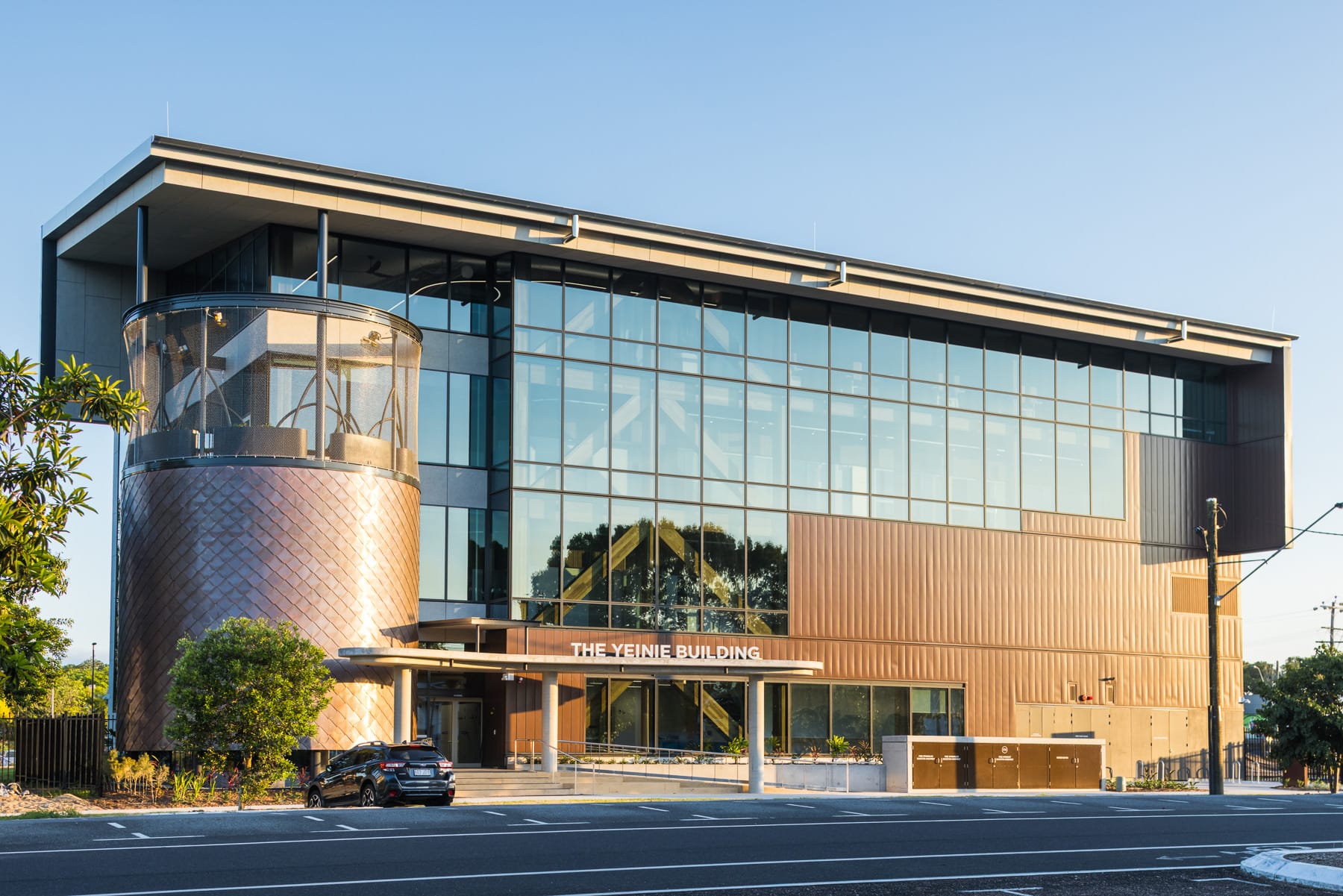
The Cairns Tropical Enterprise Centre by James Cook University showcases Far North Queensland’s first glulam and cross‑laminated timber structure, with G.James supplying and installing both the external facade and internal glazing.

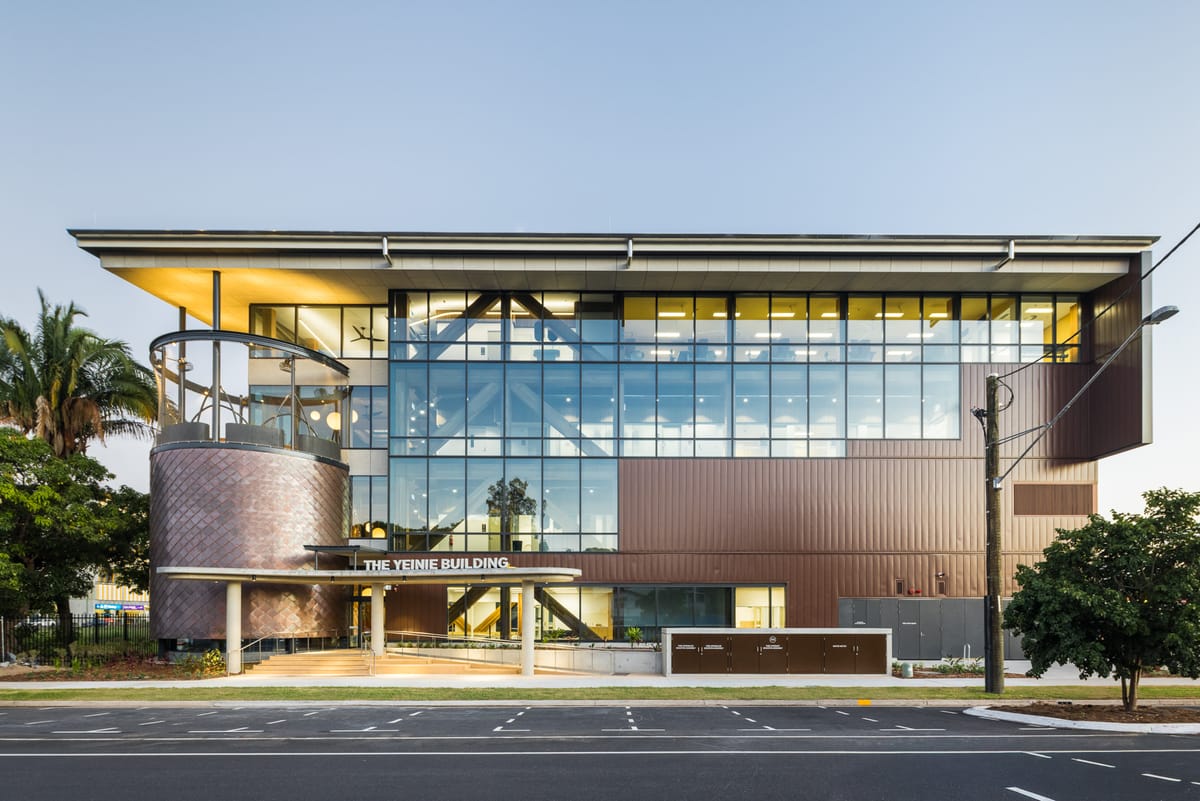
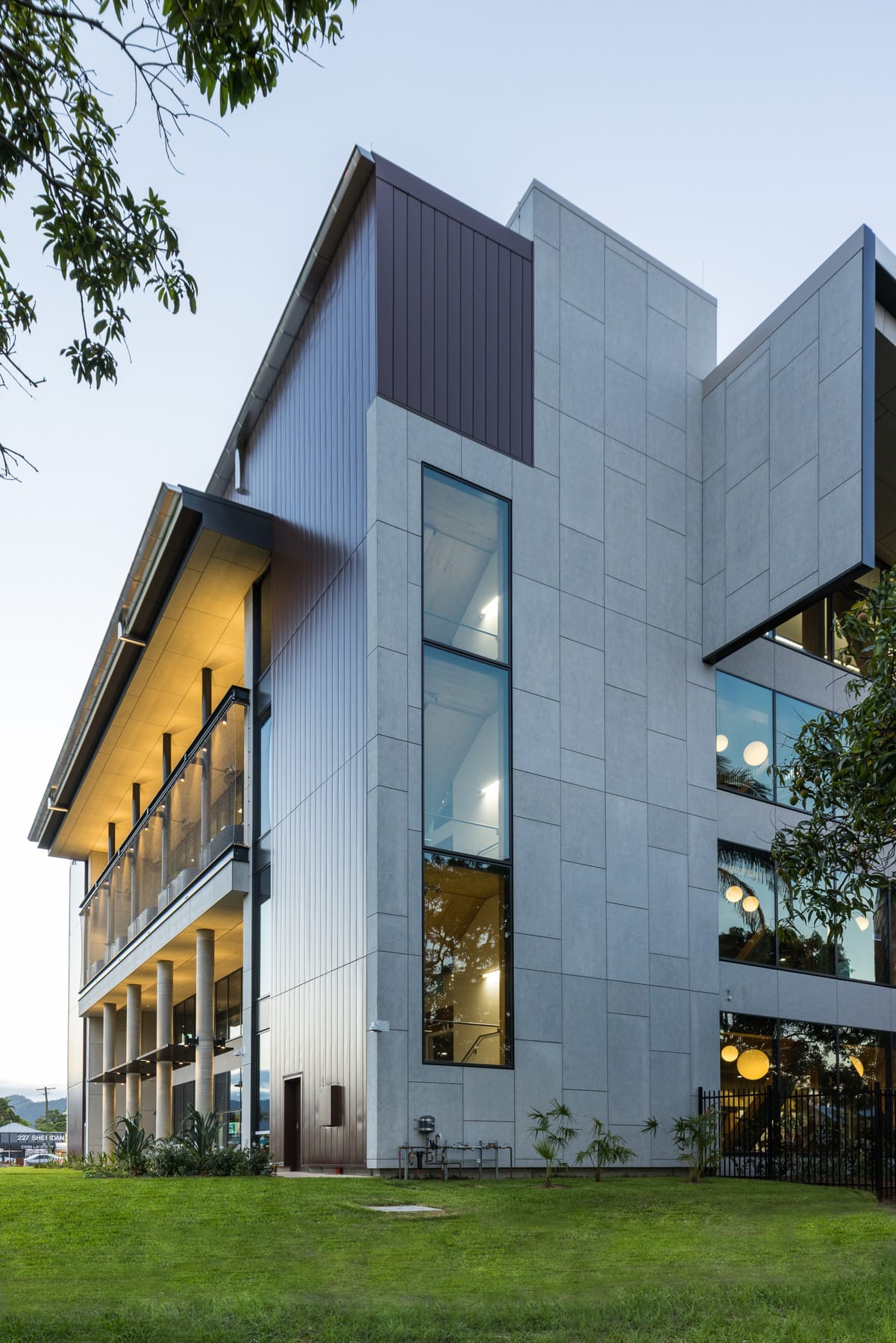
As part of a broader health and education precinct in Far North Queensland, the Cairns Tropical Enterprise Centre (CTEC) is the first facility of its kind in the region to feature a structure made from glued laminated beams and cross-laminated wall panels, setting a new benchmark for design and construction in tropical environments.
To support the architectural vision, G.James delivered a full glazing package for both its external envelope and internal fitout. Each contributes to the building’s performance and learning experience, while supporting energy efficiency, occupant wellbeing, durability and climate resilience.
Scope and Products
Facade Scope
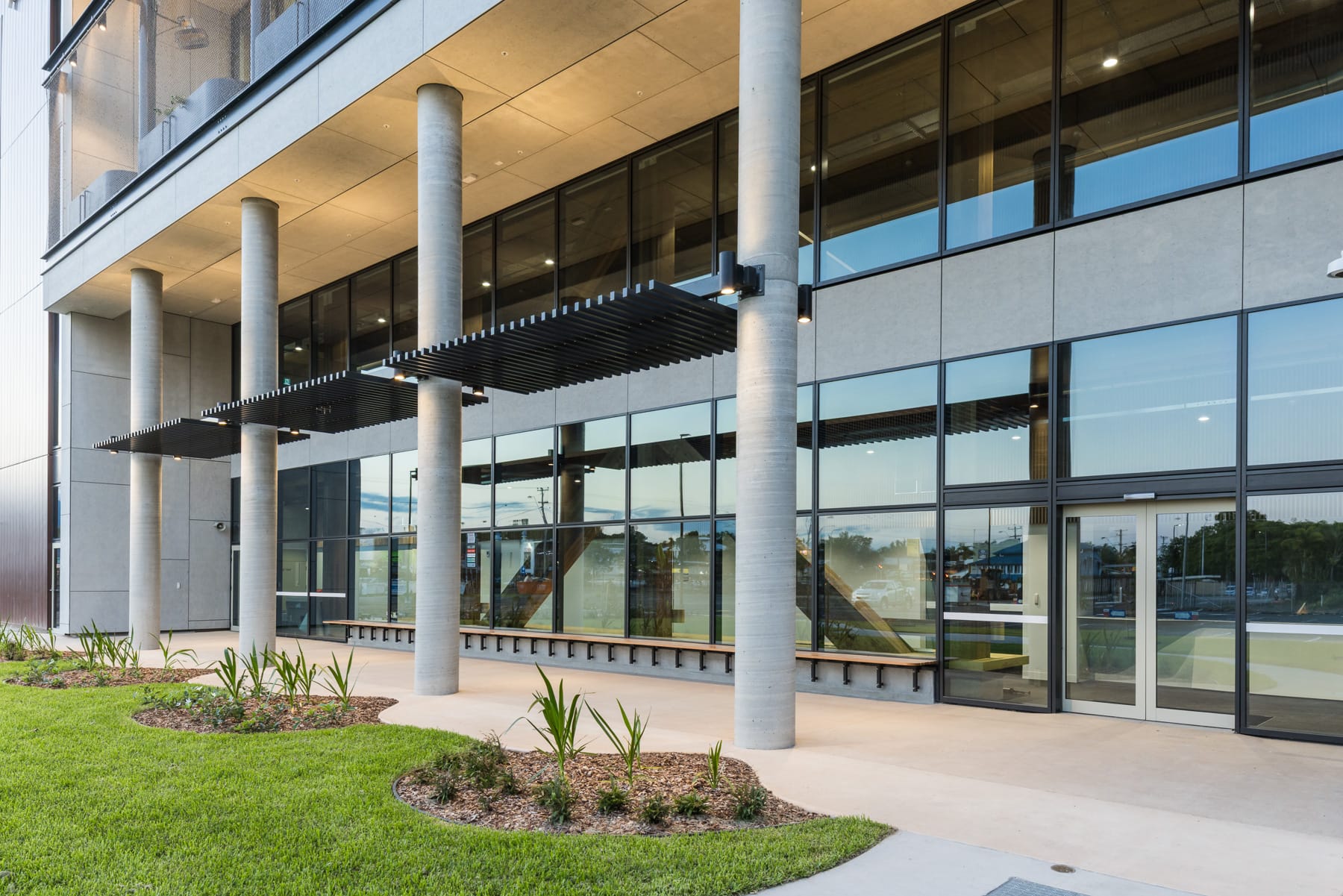
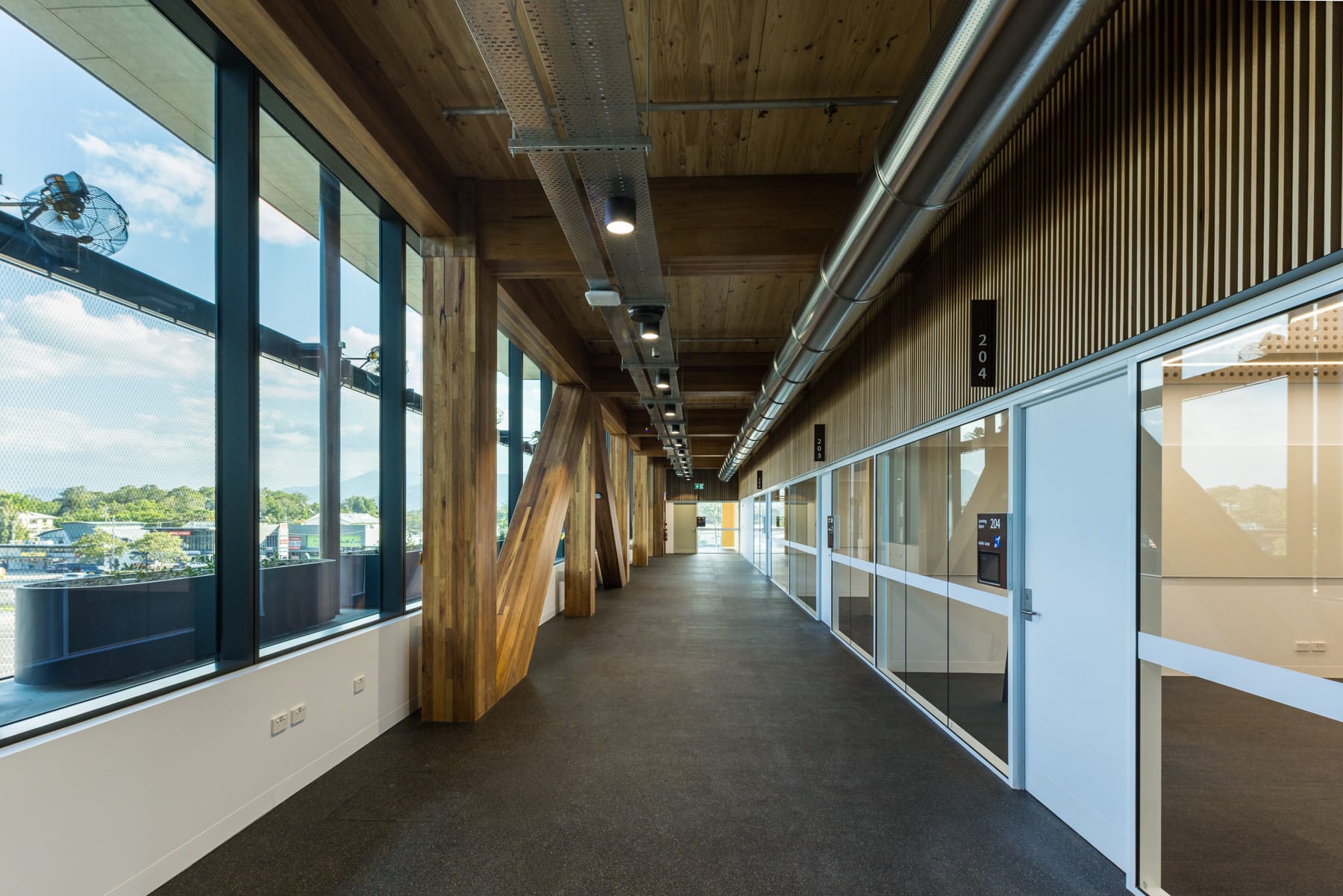
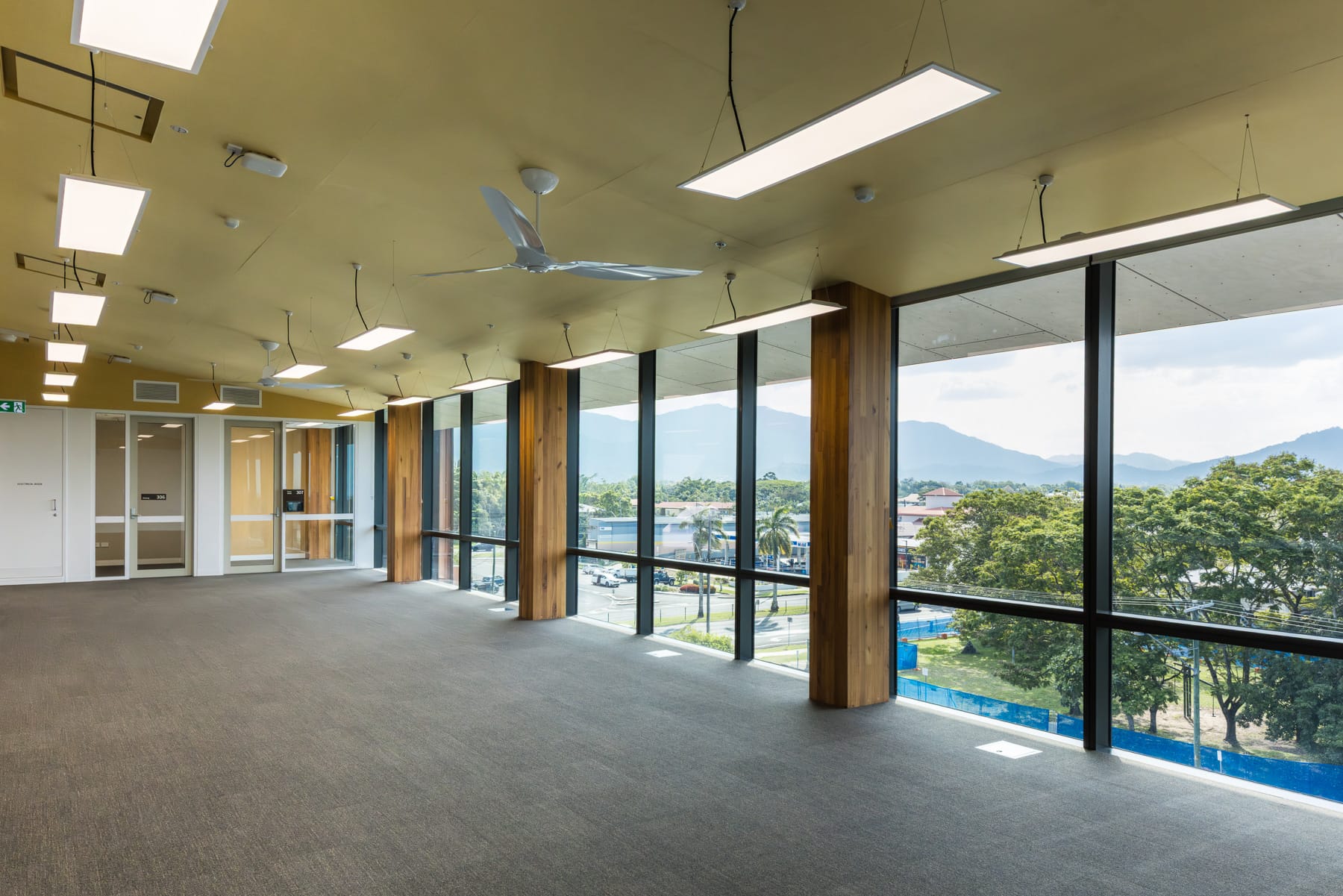
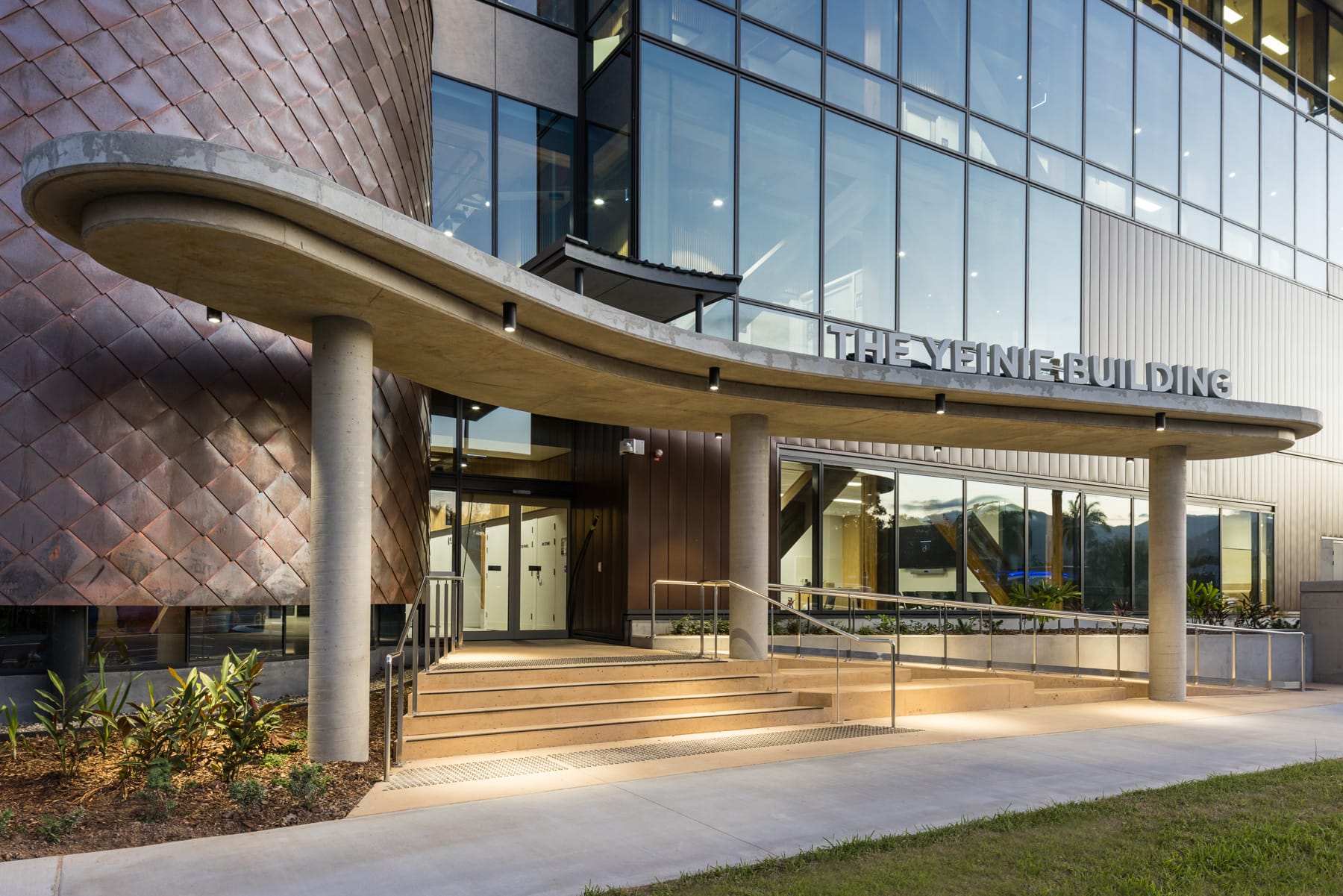
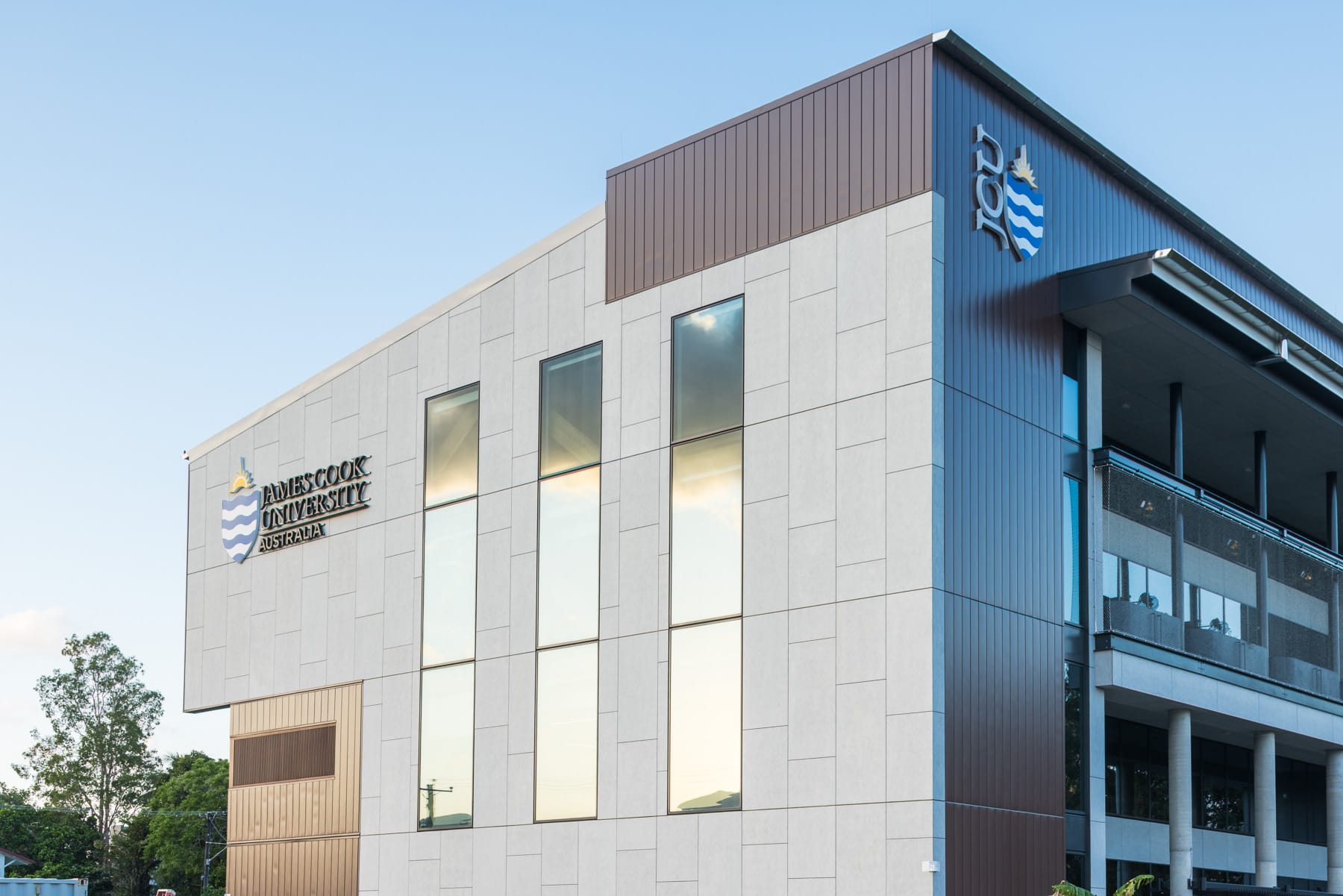
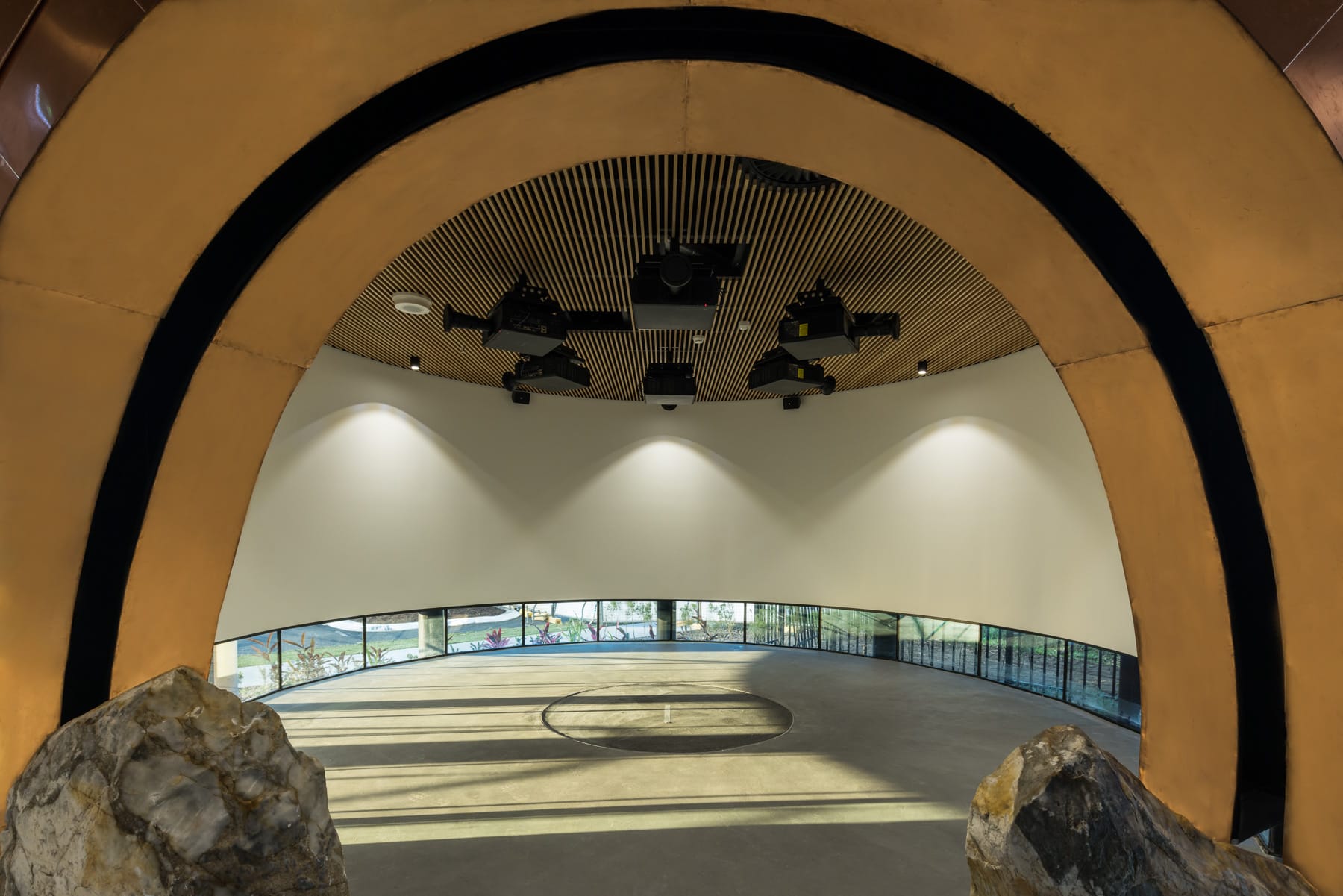
The facade scope centres on a fully exposed curtain wall system fixed directly to the mass timber structure. This approach is uncommon in commercial construction and requires careful integration between structure and glazing. To realise the vision, G.James designed, manufactured and installed a 546 Series Curtain Wall with 476 Series IGU Doors. The facade incorporates high-performance insulating glass units (IGUs), including Coolshade 30-1 in the rotunda and Coolshade 42-1 across the main elevation, paired with Zeus Monument as the selected finish.
Large glass units, some exceeding 500 kilograms, define the external appearance. No spandrels or concealed elements were used, allowing the glazing to become a primary architectural feature, enhancing the visual appeal and delivering transparency.
Internal Scope
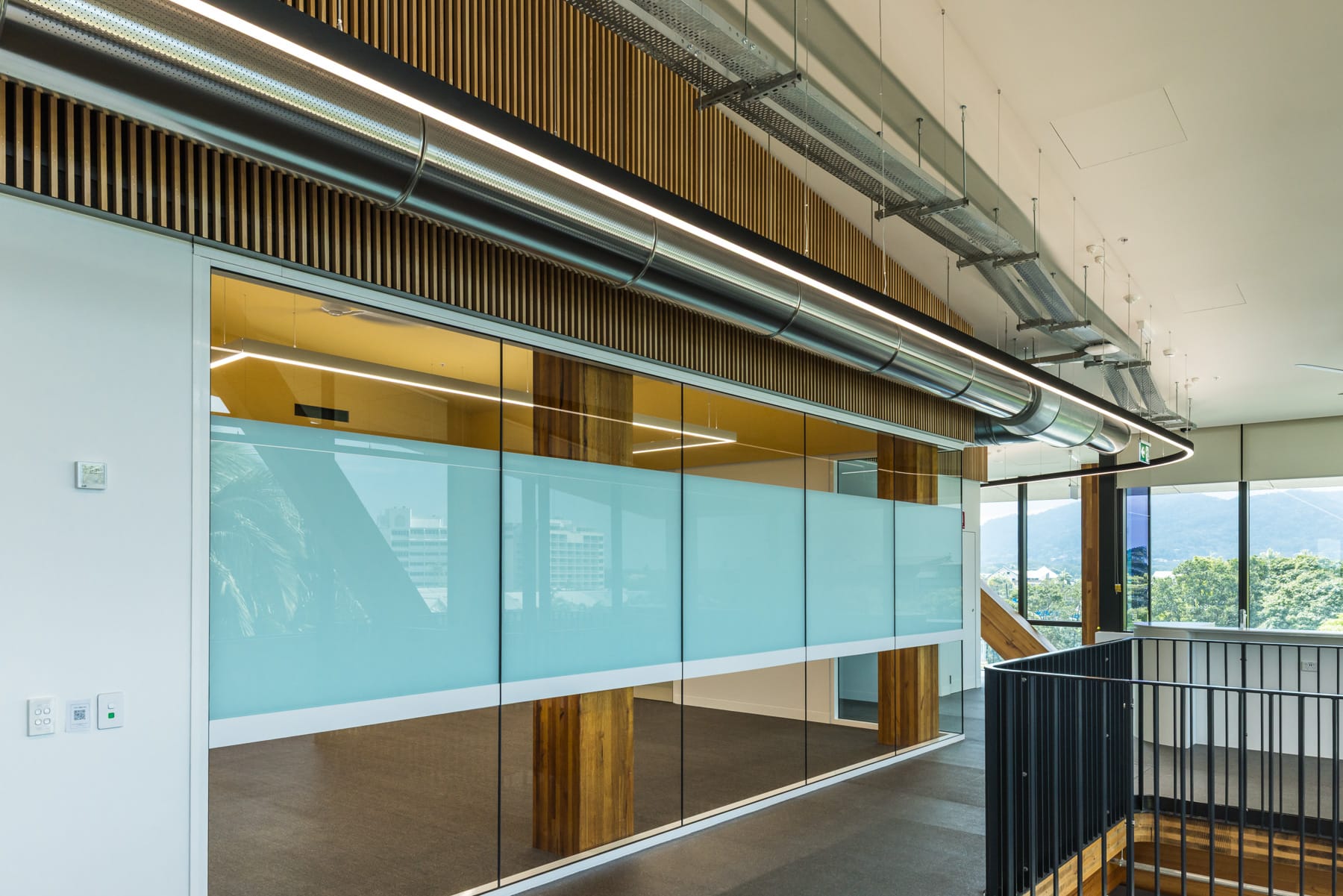
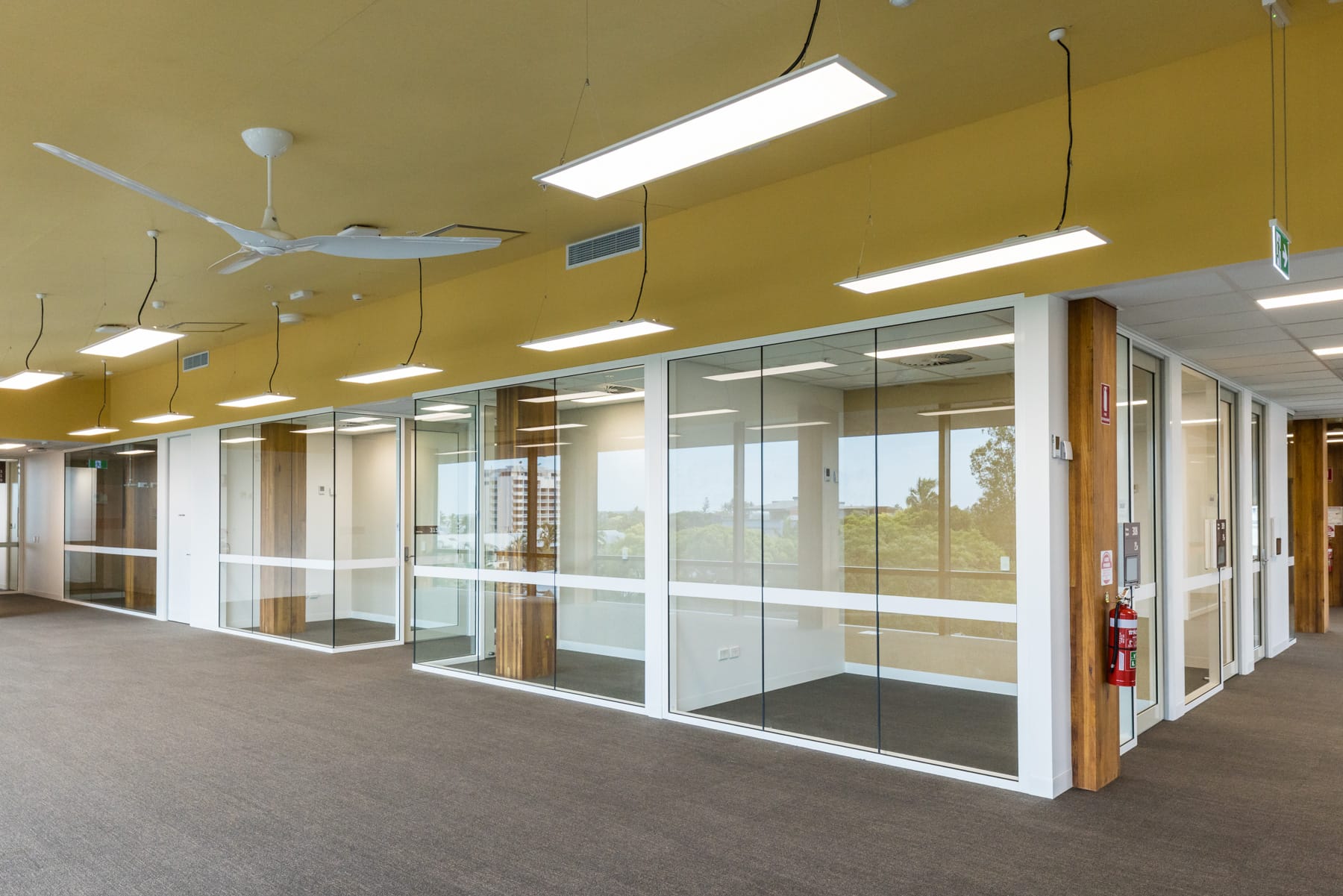
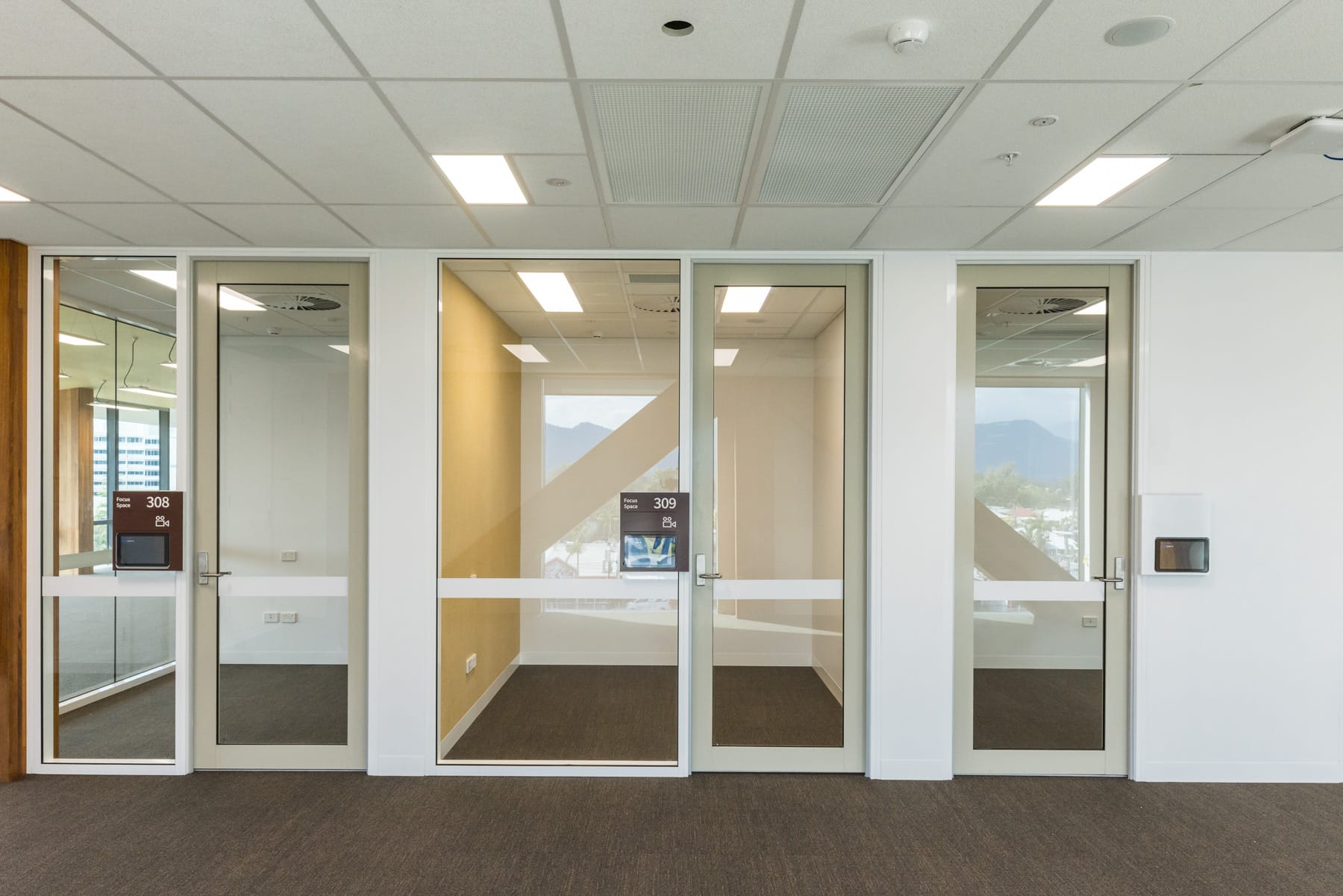
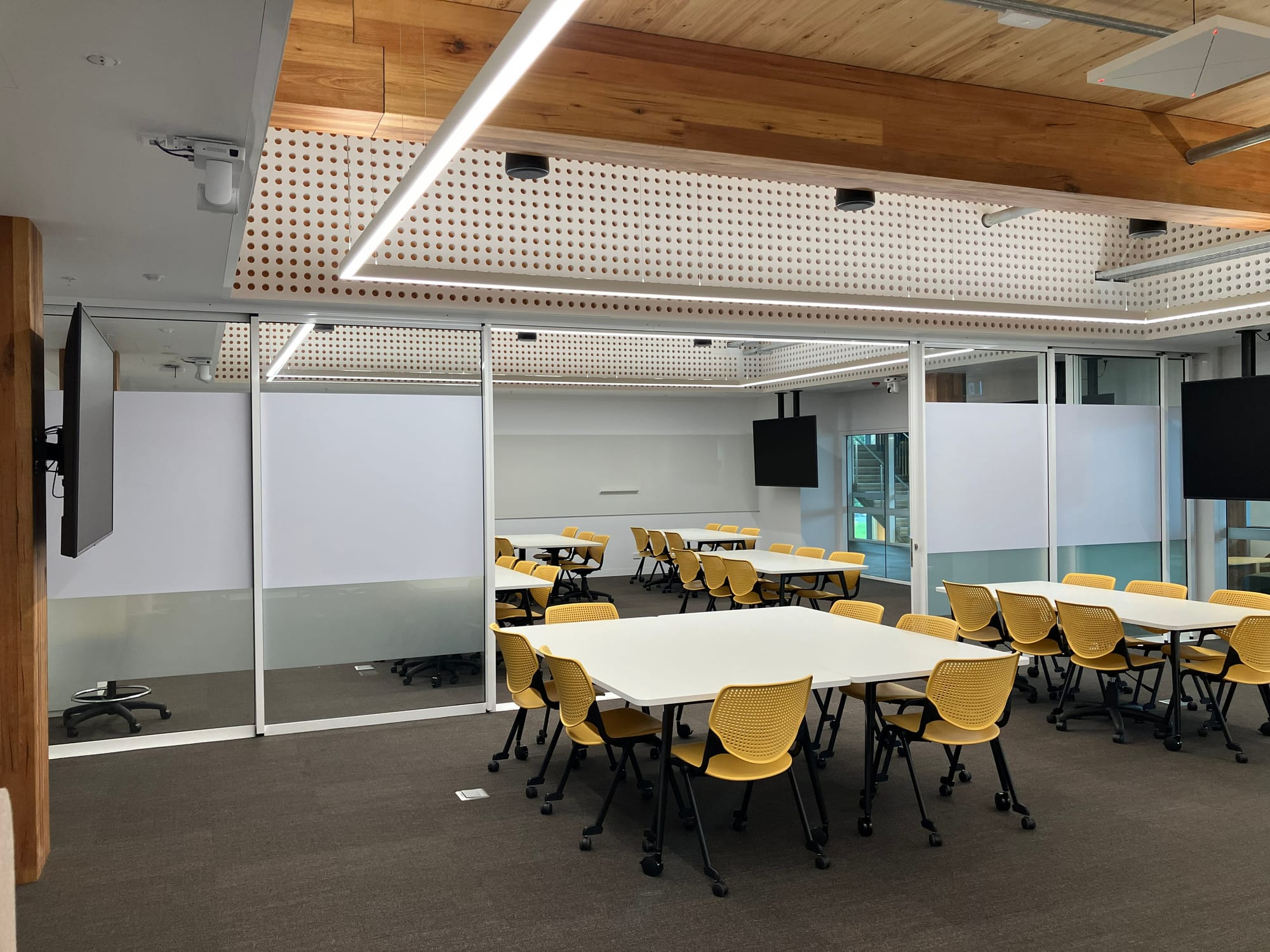
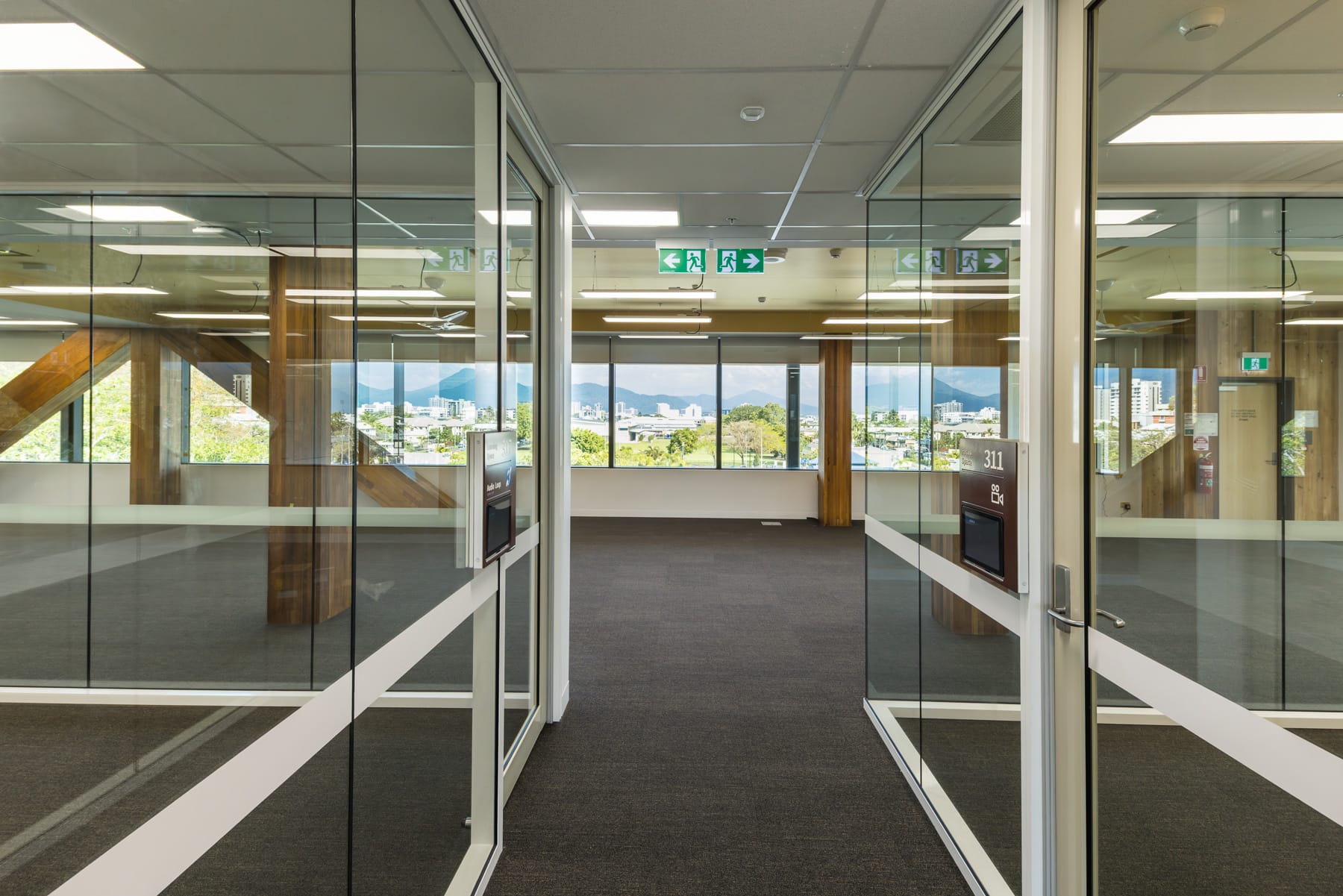
Internally, G.James delivered extensive full-height glazing, including partitions, multi-stacking sliding and cavity doors. To support open learning environments, the systems were designed to maximise transparency and connectivity while maintaining acoustic and functional performance.
Laminated glass was used throughout to achieve acoustic ratings of Rw35 for fixed glazing and Rw38 for sliding partitions. The internal glazing integrates closely with exposed timber elements to reinforce spatial clarity and daylight penetration across teaching and learning spaces.
Overcoming Technical and Delivery Challenges
External Glazing
The most challenging part of the facade scope was fixing the curtain wall system directly to a mass timber structure. Timber movement, moisture sensitivity and variable tolerances in a tropical climate required bespoke detailing for fixings, load transfer and sealing.
The project also involved complex transitions between flat and faceted facade elements and oversized glazed panels, some exceeding 500 kg. These challenges were addressed through custom-engineered lifting methods, precision manufacturing and detailed installation planning.
Working within Cairns' tropical climate, scaffold-restricted access and tight construction sequencing added further complexity. Working in close collaboration with BESIX Watpac, G.James team maintained strong project coordination and rigorous quality control processes to stay in line with programme requirements.
Internal Glazing
For the internal fitout, the full-height glazing and large sliding glass partitions within a moving mass timber structure were designed to accommodate up to 15 millimetres of floor movement through tailored head details and strict installation tolerance. The systems were designed to accommodate up to 15 millimetres of floor movement, resolved through tailored head details and strict installation tolerances.
Program constraints created by the Far North Queensland wet season added further complexity, with the early enclosure of the building requiring glazing systems to be manufactured and delivered ahead of schedule, resulting in extended on-site storage. The team was able to resolve this through dedicated storage zones, strict handling protocols and continuous quality inspections.
Sustainability Performance
External Glazing
G.James played a pivotal role in supporting the project’s Green Star 5 Star outcome. The facade features 31.52mm and 33.52mm insulated glass units, comprising a Cool Shade laminated outer pane, argon-filled spacer and clear heat-strengthened inner pane. With SHGC of 0.23, U-Value of 2.9 W/m²·K and VLT above 40% - the high-performance double-glazed IGUs balance solar control, thermal performance and daylight transmission to reduce cooling demand in the tropical climate. Airtight, pressure-equalised framing further enhanced energy efficiency, durability and condensation control.
Cyclone-rated laminated glass formed part of the IGU make-up, providing the strength and resilience required to withstand extreme wind pressures. The facade solution exceeded NCC minimum standards while supporting occupant safety, building performance and long-term durability.
Internal Glazing
Sustainability within the internal scope focused on durability, adaptability and material efficiency. The use of glazing supports daylight penetration, reducing reliance on artificial lighting. While not subject to energy compliance requirements, it contributes to comfort and the overall learning experience. Together, these measures support a consistent, long‑term operational outcome aligned with the building’s requirements.
Design Outcome
The CTEC within the James Cook University grounds demonstrates how glazing can operate as both a technical system and a defining architectural element. The facade establishes a benchmark for curtain wall integration with mass timber, while the internal glazing supports flexible and connected learning environments. Designed by Clark and Prince Architects and Wilson Architects, the building is a true showcase of G.James capability to support green performance and create visual impact through a high level of coordination and delivery discipline.